The Prison to Prescription Pipeline: Drug Companies Win Customers for Life When Inmates Get Hooked on Opioid Remedy
Same opioids crisis, new battlefield. Drug companies, politicians, and stacks of money are here to "help" prisoners like never before. An exclusive Restoration News investigation.
The opioid crisis, exacerbated by unscrupulous drug companies, peaked in the United States in 2022 with more than 79,000 overdose deaths and countless others addicted.
For anyone who abruptly stops taking them, opioids come with a brutal detox—extreme flu symptoms, nausea, high anxiety or agitation, intense cravings, shaking, and goosebumps. Withdrawal symptoms can be eased through Medication Assisted Treatment (MAT), that is, prescription drugs, most of which are also opioids. This treatment has gained broad acceptance and is now even administered in U.S. prisons.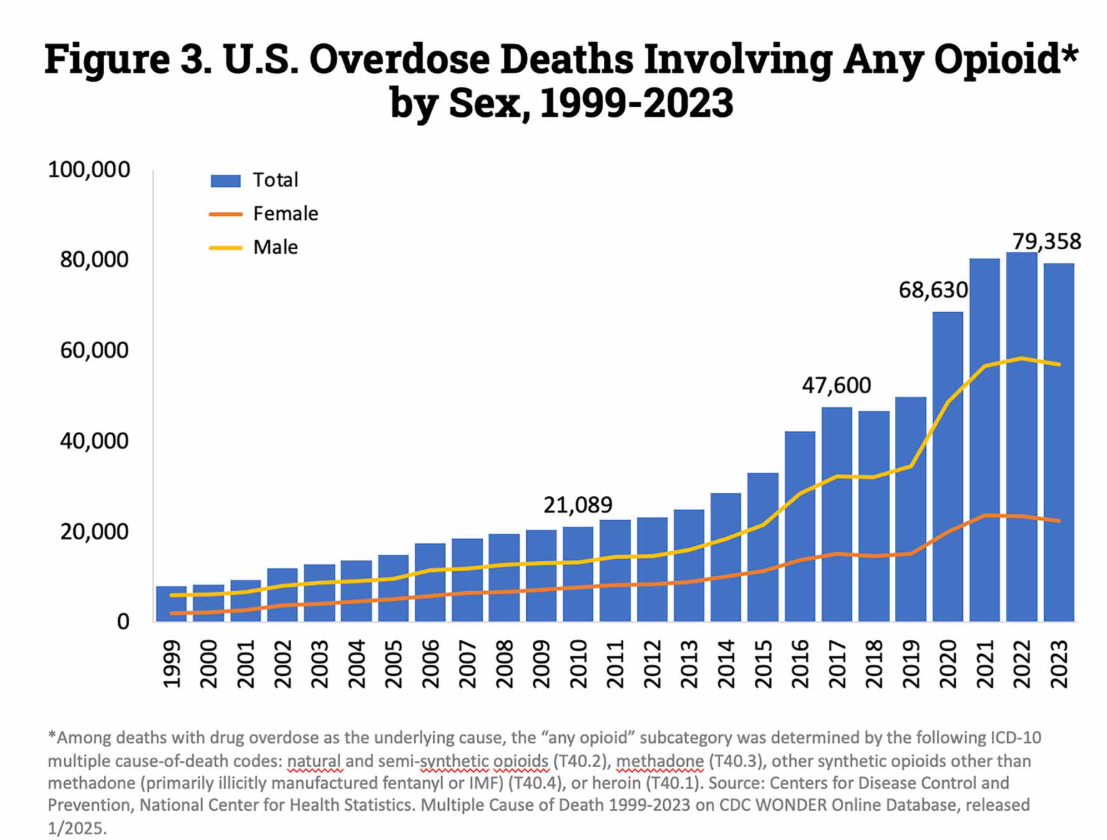
Pennsylvania's Department of Corrections (PADOC) has increased spending on MAT drugs for inmates by 5,208 percent in six years—from $390,000 in 2018, to $20.7 million in 2024, according to data provided to Restoration News by the PADOC.
MAT programs have expanded for several reasons, including popularity with inmates. As of January 2026, the PADOC had 5,283 inmates receiving drugs through the MAT program, and 4,014 on the waiting list for the drugs, according to PADOC. Based on those numbers, assuming everyone gets approved, there will be 9,252 inmates receiving MAT, or around 25 percent of the state prison population of 37,000.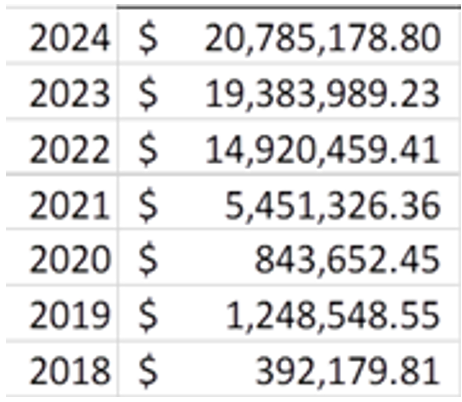
MAT Spending by the Pennsylvania DOC.
Like Pennsylvania, many states have suddenly embraced MAT for inmates, and now county jails are adding MAT to their treatment options. But prison insiders worry MAT drugs are getting inmates hooked on prescription drugs through a lucrative program that creates new, captive, long term customers for drug companies.
In this Restoration Investigation, you will learn how state and federal policies, promoted by drug companies and nonprofits have reshaped, rather than remedied the opioid crises and how the same drug companies that that fueled opioid addiction in the U.S. are still getting rich by perpetuating the cure.
Note: Sometimes Medication Assisted Treatment (MAT) goes by Medication for Opioid Use Disorder (MOUD). The two are interchangeable.
MAT Drugs by Request
Administered at the onset of withdrawal, MAT drugs like Methadone, Buprenorphine (Sublocade), Suboxone, or Naltrexone prevent an opioid addict from going into withdrawal. Inmates who enter Pennsylvania state prisons with a prescription can continue to get these medicines. This is called "continuation therapy." It makes sense. To abruptly stop this medicine would send an addicted inmate into detox. Prison is not a great place for that.
But another classification of MAT administration makes less sense. Inmates who have been in state prison—no matter how long—can participate in "induction therapy." That is, an inmate who did not have a prior prescription can request and receive MAT treatment. Inmates are evaluated before starting a prescription.
"Placement of an incarcerated individual on Medication Assisted Treatment (MAT) for opioid use disorder is based on a case-by-case clinical decision by our MAT providers," PACDOC spokeswoman Maria Bivens told Restoration News." The PADOC has a centralized MAT medical provider group that sees all incarcerated individuals who are requesting evaluation and treatment for opioid use disorder. Due to the high numbers of people who have requested and continue to request this evaluation, there is still that backlog to be seen by the centralized MAT provider group."
The PADOC MAT provider is Tennessee-based Wellpath, which contracts medical and mental healthcare in prisons, Bivens said.
It takes about a week to physically detox from opioid addiction, suggesting an inmate who entered prison with an opioid addiction five or ten years ago has been through detox. If not, authorities should investigate how inmates are getting enough contraband opioids into the prison to keep detox at bay for years.
Needed Treatment or New Addiction
Prison insiders tell Restoration News that all inmates must do is request MAT and do a quick video evaluation.
"This is just a formality that they have to go through to get on this program," said a prison insider we are not naming to protect their employment. "They'll send their request slip into medical saying they want to be put on the MAT program, because they used to do this drug and that drug, or whatever—they had a drug addiction previously. There's guys that are in there for 10-plus years, that are taking drugs now."
A lifer living in the Restricted Housing Unit told the insider that younger prisoners receiving MAT—in this case a powder or pill—bought into the population and shared it with him and other inmates. Now he says he is addicted to the MAT drug he got from other prisoners and he is on the waiting list to receive his own regular dose of MAT.
Clinical and developmental psychologist Dr. Gretchen LeFever Watson, an academic affiliate at the University of South Carolina College of Pharmacy, believes MAT in prison may be creating new addicts.
"I have great concern about medicated assisted therapy for opioid use disorder. It does have a place. There is no doubt it can help relieve cravings and withdrawal in the acute withdrawal phase," Watson told Restoration News. "MAT was tested, really, for short term use—to see how it helps in the short-term—but that is not how it's being used. People can totally get dependent on medication assisted therapy."
Prison insiders are concerned that some inmates lie during their video evaluation to get MAT drugs. Dr. Andrew Kolodny, a psychiatrist at the Opioid Policy Research Collaborative at Brandeis University, is skeptical that people who have been off opioids for a long time would casually seek MAT to get high.
"The experience of withdrawing [without MAT] is so awful that once people have been through that, they're often reluctant to take [MAT] because they've just been through hell," Kolodny told Restoration News. "If in a detox facility or in a jail, people come in and they're in withdrawal and you offer them [MAT] they're going to take it immediately because they're desperate for some kind of relief. But if they've completed the withdrawal—they were already dope sick, and now they've come through on the other side of that—Often you can't get them to take [MAT] because they say, 'I've been through hell. Why would I want to go through that again?' So, it just makes me a little suspicious of the idea that these are people just deciding to do it to get high."
Customers for Life
Once on the MAT program, inmates get regular doses of the opioid-addiction-curing-opioids during their prison stay. It means more inmates are leaving prison dependent on opioid prescriptions than entering.
Numerous studies have found inmates have a high likelihood to overdose on opioids soon after they are released from prison. To address that, Pennsylvania state prison inmates on MAT are eligible for the Medicaid pre-release benefit package. Prison officials help inmates on the MAT program fill out a Medicaid application 90 days before release and give them a 30-day supply of all prescription medications upon release. Eligibility for Medicaid and free MAT medicine continues for at least a year after release due to a state Medicaid expansion approved by the Centers for Medicare & Medicaid Services (CMS) in December 2024.
The goal is not to get off MAT drugs. These prescription drugs "should be continued for as long as the individual finds it helpful in meeting their substance use and life goals," a University of Massachusetts Medical School fact sheet reads. "Many people mistakenly think that they are only 'truly better or in recovery' once they stop [MAT]. This is inaccurate. Opioids can cause lasting changes in a person's brain. This means medication is often needed long-term, so a person can function and reach their goals, such as getting or keeping employment, going to school, gaining independent housing, and connecting with family and friends."
MAT drugs are often compared to treatments people tend to take for life, like this quote from a California Health Care Foundation issue brief: "Lifelong treatment is acceptable for other chronic diseases such as diabetes, HIV, or high blood pressure. Addiction is a chronic brain disease that often requires a similar approach."
It is possible that inmates who have, presumably, been locked away from regular access to opioids for decades, can now get MAT drugs in prison, continue MAT upon release with Medicaid coverage, and conceivably continue MAT for life.
"It's treated as if you're fine once you're on this," Watson said. "But as I've understood it, if you stay on this long term, you're not operating at full capacity. So, we're saying that it's OK for some people not to operate at full capacity. And that might be OK, but that's something that needs to be discussed openly. I don't hear the conversation being one where people going on this medication are given accurate information about it."
Profitable Prison Prescriptions
All this works out very well for the drug companies connected to the overprescriptions of opioids and the resulting explosion of heroin and prescription drug abuse.
A monthly shot of the MAT Sublocade lists for $2,200 but most people on Medicaid pay $1-$4 a month out of pocket, according to the Sublocade website. If just 1,000 inmates get the Sublocade shot, that means $2.2 million a month for the drug company.
The generic MAT buprenorphine is sold as Sublocade (a shot) and Suboxone (A pill or dissolving oral film). Indivior produces both drugs—the same company currently paying Pennsylvania $38 million in settlement funds for getting doctors to over prescribe Suboxone, a 2019 U.S. Department of Justice indictment alleges.
Purdue Pharma, maker of OxyContin, hydrocodone bitartrate and the MAT buprenorphine Patch, Butrans, settled with Pennsylvania for $200 million in opioid fees. Purdue Pharma filed for chapter 11 bankruptcy in 2019 to resolve thousands of opioid lawsuits. The company is reorganizing under the name Knoa Pharma and is focused on making opioid addiction treatment and overdose reversal medicines.
Mylan, a maker of fentanyl patches, oxycodone, and hydrocodone, will pay Pennsylvania more than $284 million and has a $335 million nationwide settlement. Mylan has merged with Viatris which vows to help address opioid addiction. The company makes a Fentanyl patch. Fentanyl is a powerful synthetic opioid pain medicine often used in surgery and to treat severe trauma pain. Mylan also now makes a combination buprenorphine and naloxone product to treat opioid dependence.
Core Strategy
Money from the national opioid settlements is divvyed up among states by an administrator, then states use it to curtail opioid overdoses, largely sticking to a list of opioid remediation core strategies, which was negotiated by a coalition of state attorneys general, local governments, and the drug makers paying into the settlement.
Those core strategies include increasing MAT funding at prisons for inmates, and those transitioning out of prison.
It's nothing more than a marketing scheme. Lots of money changes hands. The drug company pays the settlement money which pays for MAT for inmates, who continue to get MAT through Medicaid upon release, assuring an increasing, steady customer base for MAT drug makers.
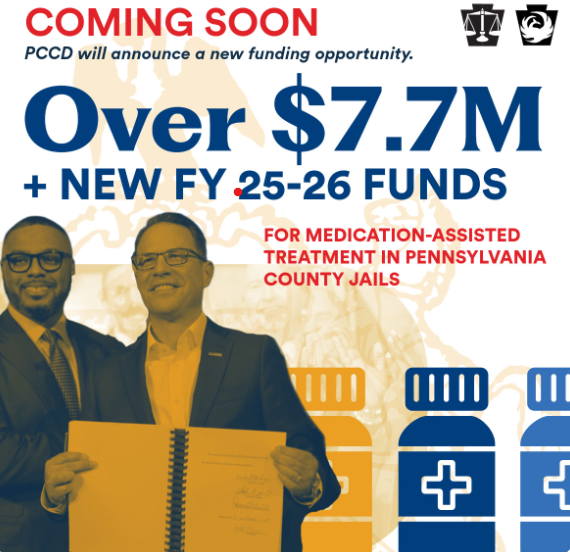
Pennsylvania is expanding its MAT spending beyond state prisons, adding funding for county jails. In his last budget Gov. Josh Shapiro (D) called for taxpayers to spend nearly $8 million more on MAT for county jail inmates. Because it is touted as a solution to addiction, politicians love to brag about securing funding for MAT.
Addiction Cure Became Sales Slump Cure
The increasing prevalence of MAT for opioid addiction is not surprising considering drug companies saw it as the next logical sales market. This is clear from court documents from a 2019 lawsuit in which the state of Nevada sued Purdue Pharma and a host of other plaintiffs to "eliminate the hazard to public health" caused by the opioid epidemic.
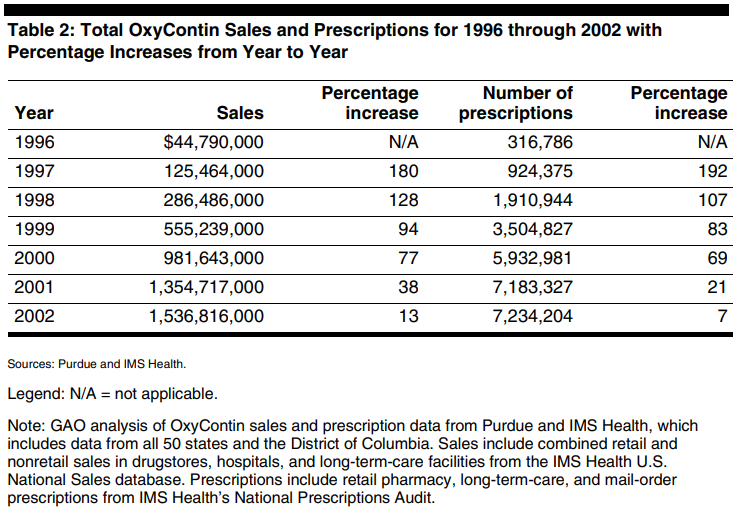
Purdue's OxyContin was approved by the FDA in 1996. In 2001, sales exceeded $1 billion annually. OxyContin was the most frequently prescribed brand-name narcotic for severe pain in the U.S., according to a 2003 report from the federal Government Accountability Office (GAO). Purdue Pharma's sales continued to grow, until over-prescribing and addiction became too prevalent. People were literally dying to stay on the drug.
As doctors started to pull back from prescribing opioids, Purdue Pharma launched "Project Tango," a plan to expand into the opioid addiction treatment market according to court papers. An internal company presentation called opioid addicts "an attractive market. Large unmet need for vulnerable, underserved, and stigmatized patient population suffering from substance abuse, dependence, and addiction."
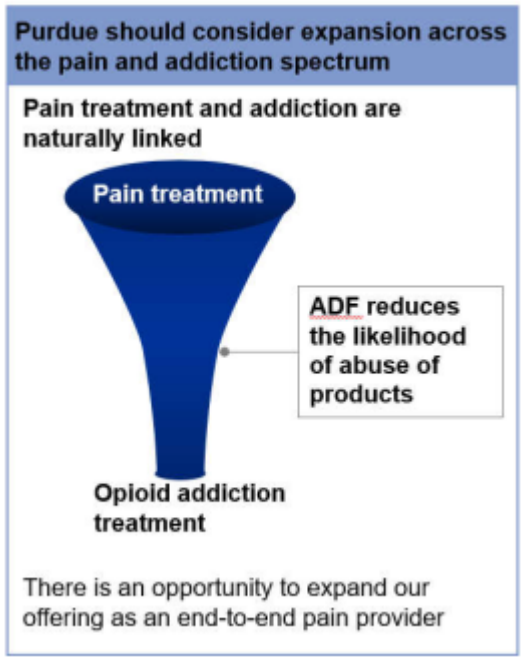
Part of Project Tango presentation. ADF means abuse-deterrent formulations—opioids marketed to doctors as safer than other opioids.
The company intentionally targeted long-term customers desperate to be free of the very addiction the company caused.
"During the presentation, the Tango team mapped how patients could get addicted to opioids through prescription opioid analgesics such as Purdue's OxyContin or heroin, and then become consumers of…suboxone," court papers say. "The team noted the opportunity to capture customers: even after patients were done buying suboxone the first time, 40-60% would relapse and need it again."
It means the company counted on customers returning to the "cure."
Political Policies—a Timeline
Before prisons made Medication Assisted Treatment (MAT) the go-to strategy, politicians, nonprofits, and drug companies worked together to cement acceptance for funding MAT for prisoners. Consider this timeline of just some of the key actions that helped expand MAT in prisons.
Note: Although this timeline focuses on policy movement nationally and in Pennsylvania, similar changes were happening in other states.
2014: Purdue, maker of OxyContin, launches "Project Tango" to expand into the opioid addiction treatment market with Suboxone, according to court papers.
2015: Pennsylvania Act 80 started a nonnarcotic pilot MAT grant program to fund Naltrexone for prisoners in Pennsylvania's county jails.
2018: Purdue Pharma offers addicts free buprenorphine to treat opioid addiction.
2019: Donald Trump's Department of Justice indicted Indivior for fraudulently marketing Suboxone.
2021: National Opioid Settlements fund starts managing the first nationwide settlements meant to resolve state and local opioid litigation against the three largest pharmaceutical distributors, McKesson, Cardinal Health, and AmerisourceBergen, and against manufacturer Janssen Pharmaceuticals, Inc. and its parent company Johnson & Johnson (which just the year prior got a federal contract for over 100 million COVID shots). These companies alone represent $26 billion paid over 18 years.
2022: Joe Biden's White House National Drug Control Strategy made "expanding access to MOUD [MAT] in state and local correctional facilities and community corrections" a key priority of its federal drug policy.
2022: Opioid addiction is considered a disability protected by the Americans with Disabilities Act. The DOJ Civil Rights Division says it is discrimination if a jail does not allow incoming inmates to continue taking MOUD prescribed before their detention.
2022: Pennsylvania Opioid Misuse and Addiction Abatement Trust established. It will manage some $1.07 billion in opioid settlements the state will receive over 18 years. That money can be used for MAT in prison.
2022: The nonprofit Pennsylvania Institutional Law Project publishes its first report advocating MOUD in prison. The report becomes a resource for policy makers.
2023: Pennsylvania state Rep. Maureen Madden (D) introduces House Bill 1515 which adds buprenorphine and Sublocade (made by Indivior) to Act 80 MAT drugs that are funded by grant money for county jails. The bill did not pass.
2024: Purdue Pharma press release announces it will provide 1.25 million Suboxone tablets to prisons for one cent ($.01) per tablet to give prisoners "access to treatment" for opioid addiction.
2024: Pennsylvania expands Medicaid so prisoners can continue to get free MAT upon release.
2025: Pennsylvania Attorney General Dave Sunday announces Pennsylvania's cut of settlements from eight opioid manufacturers.
2025: Rep. Maureen Madden reintroduces the 2023 bill, now named HB 561. This time it passes, expanding MAT in county jails.
Helping Prisoners
The timeline is a textbook example of how policy quietly moves in concert with funding while the public barely notices.
In classic, "I'm from the government and I'm here to help," fashion, the government throws a lot of money at a problem with little follow up. Politicians working with drug companies that in large part caused the opioid crises want you to be impressed that they are spending so much on helping prisoners. Prisoners have many challenges, but this one issue is where spending is exploding.
The scale of help feels more like the cost of a drug company marketing plan. Give long-time prisoners a MAT prescription, keep it going while they serve their time, ensure free access through Medicaid upon release. It is a brilliant way to expand the customer base and look good doing it.
When an addict agrees to transition to a MAT program from using heroin or illegally obtained prescription opioids, it is a victory. Better to deal with a pharmacist than a potentially dangerous street dealer. And it can be an indicator they are ready to work toward sobriety. But increasingly, the prescription opioids used to treat addiction become a chain, keeping users shackled to the "cure," and preventing the bigger victory of an abundant life beyond addiction.
Efforts to minimize stigma, provide free drugs, and normalize lifetime maintenance on MAT, removes incentives to move forward. It tells addicts, we don't expect much from you—this is as good as your life gets. But people are redeemable, and no one needs to hear that more than prisoners and addicts. Unfortunately, many won't get that message.
READ MORE EXCLUSIVE INVESTIGATIONS FROM RESTORATION NEWS
Shielding the Perpetrators: The Abortion Pill Industrial Complex Flooding America with Illegal Drugs
Tracking CCP Influence: Controversy Widens Over Candidate's Possible CCP Links
Democratic Socialists Taking Over: "The Compromise:" What Portland's DSA City Council Built on May Day
We need your help to save America—chip in today.
Restoration News, a project of Restoration of America, is your trusted investigative news source for the America First movement. As a rapidly growing conservative news site, we focus on delivering accurate and insightful exposés on political news, immigration news, leftist lies, and other pressing issues affecting everyday Americans. Our uncompromising commitment to a hard-hitting, fact-based, America First, and faithful perspective ensures that you receive news that aligns with your values.
Every dollar gets us closer to winning the war on woke