EXCLUSIVE: List of Women Hurt by Abortion Pill Grows as America Awaits FDA Action
The agency's negligence under previous administrations exacerbated old risks and created new ones.
Monty Patterson had never seen so much fear in his daughter's blue eyes as he did on the day she died.
"The look to me was like, 'Dad, save me .… Get me out of this,'" he told Restoration News, recounting the day that has haunted him for decades.
But it was too late. The bacterial infection had taken a hold of 18-year-old Holly Patterson, and her organs were shutting down.
"Code blue!" the ICU doctors shouted as they filled the room and evicted her father into the hall. They frantically worked to save her life, but it was all in vain.
"They came out and said: 'She's gone,'" Monty Patterson said, recalling the tears in the nurses' eyes as they mourned their beautiful young patient's tragic end.
When Holly died in 2003, chemical abortion was still a new phenomenon, having only been approved by the U.S. Food and Drug Administration (FDA) three years prior. And with the abortion industry and a complicit media touting the two-drug regimen as "safe and effective," what young woman would reasonably expect that it could end her life?
"At the hospital, Patterson learned that Holly had had a chemical abortion—a regimen he’d never heard of—using pills she obtained from Planned Parenthood. He hadn't even known she was pregnant."
Decades later, Big Abortion's claims haven't changed, but the numbers have.
Separate studies recently conducted by the Foundation for the Restoration of America and the Ethics and Public Policy Center (EPPC) found the serious adverse event rate for mifepristone and misoprostol abortions to be nearly 11 percent—22 times higher than the FDA admits.
Another EPPC study of the same data found that chemical abortion has a failure rate of at least 5.26 percent, or roughly one in 19 cases. The combined failure rate from all clinical trials listed on the FDA label for Mifeprex, or brand-name mifepristone, is 3.2 percent.
The discrepancies have reignited calls for a thorough review of mifepristone's safety, which have yet to appear despite pledges by Health and Human Services Secretary Robert F. Kennedy Jr. and FDA Commissioner Marty Makary.
In the meantime, the list of women harmed by the drug continues to grow, begging the question of how many more must be victimized before the FDA will do what needs to be done.
A Life Cut Short
The day his daughter died—Sept. 17, 2003—started off like any other for Monty Patterson.
At the time, he was working in Oakland, California, building custom homes for a developer. The project was time-consuming, so he didn't see his daughter very often, despite living with her.
Although she was unwell the weekend before, she had told him it was just menstrual pain. He was therefore shocked to receive the call from Valley Hospital in Pleasanton notifying him they’d admitted her and he needed to come quickly.
At the hospital, he learned about his daughter's chemical abortion—a regimen he’d never heard of—using pills she obtained from Planned Parenthood. He hadn't even known she was pregnant.
"She took the first pill, Mifeprex, at the clinic and experienced no immediate side effects. The next day, she took the second drug, misoprostol, at home and then lay down in bed to wait.
Within minutes, she was in agony."
Not long after Holly Patterson drew her last breath, her father received a call from a top executive at Planned Parenthood who expressed her condolences and told him that "these things sometimes happen."
"I said, 'Oh really? Well, they shouldn't happen to anybody—no young woman, no young girl out there—ever. This should never happen, and I’m not accepting that,'" he said.
Determined to figure out what happened to his daughter, Monty Patterson threw himself into research. From public records, clinical trial data, and some investigative work, he learned that multiple other women had died of bacterial infections after chemical abortions.
That discovery eventually led to the addition of a warning concerning the risk of serious infections to the Mifeprex label—a small win in his years-long fight to spare others from his daughter's fate.
He also created a website, AbortionPillRisks.org, to inform women of the dangers that he wishes his daughter had been made aware of.
"I'm not really sure if she knew she was taking this big a risk with the abortion pill," he said. "I don't think it really was laid out for her how much of a risk this would be for her life."
(RELATED: Blood on Their Hands: How the Clinton Admin Forced the Abortion Pill on the United States)
'I'm Going to Die'
Abby Johnson, CEO and founder of And Then There Were None and ProLove Ministries, was likewise blindsided by the true dangers of chemical abortion when she chose that path in early 2003.
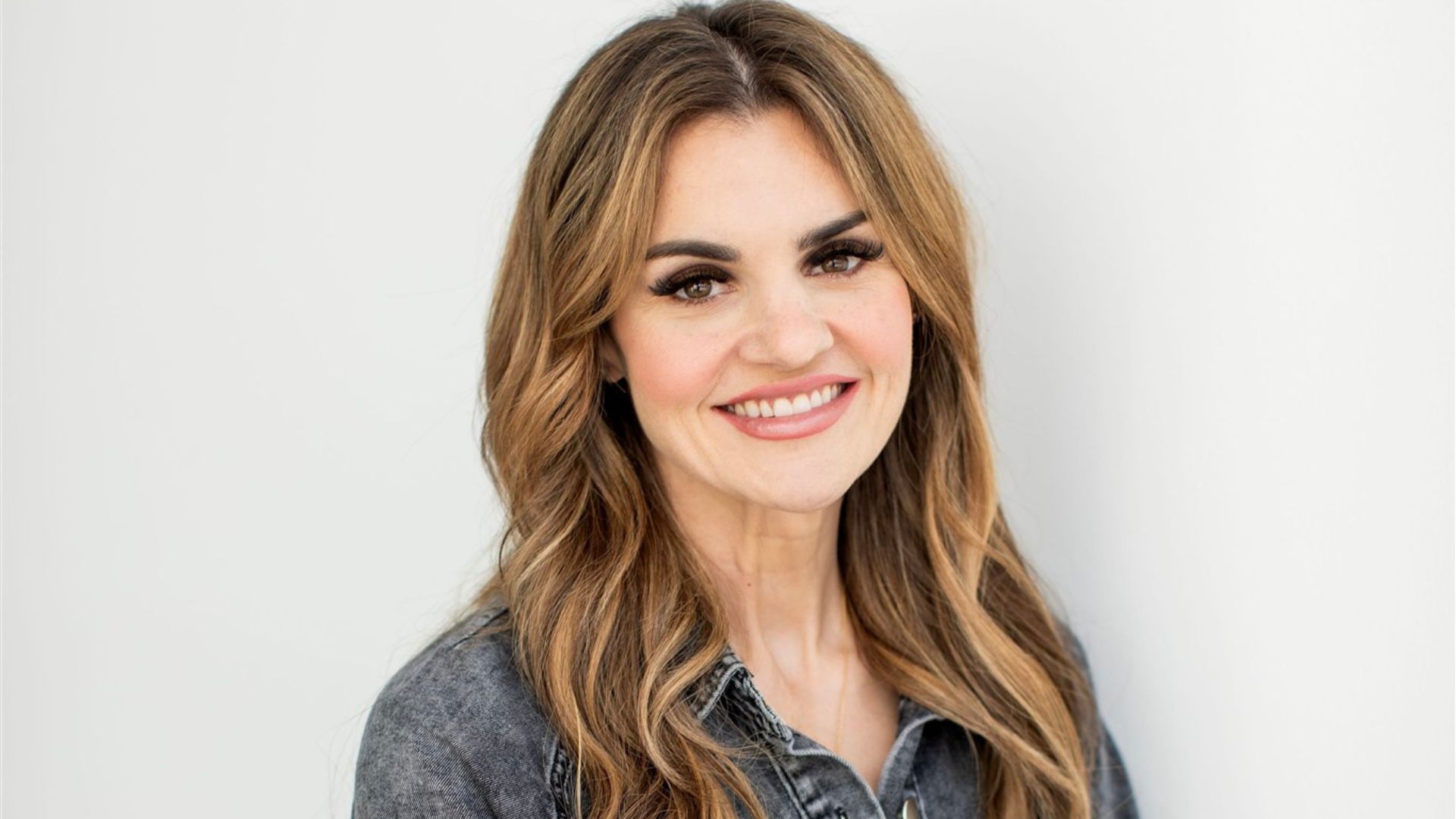 Abby Johnson. Image courtesy of ProLove Ministries.
At that time, Johnson was a regular volunteer at a Planned Parenthood clinic in Bryan, Texas. There, she heard that chemical abortion was nothing to worry about—it was just like a typical menstrual period but with heavier bleeding.
Having experienced surgical abortion once before and found it very painful, Johnson opted for the pills when she became unexpectedly pregnant by her soon-to-be ex-husband.
She took the first pill, Mifeprex, at the clinic and experienced no immediate side effects. The next day, she took the second drug, misoprostol, at home and then lay down in bed to wait.
Within minutes, she was in agony.
"I started feeling the most intense pain I had ever felt in my life," Johnson told Restoration News. "I started bleeding in the bed, and I got up, and as soon as I got up, blood was just gushing out of me."
A wave of nausea forced her to the bathroom. As she vomited, blood streamed down her legs.
"I got in the shower, and I remember feeling this really sharp pain and then hearing the sound of this large clot hit the shower floor. And I knew that was my baby," she said.
Johnson soon realized that the clot—her child—was too big to fit down the shower drain. That was when it struck her that she would have to pick up her baby, carry it to the toilet, and flush it down.
"There was this instinctive awareness like, can I do that? Should I take my child out of the toilet and bury it somewhere? Is this the right thing to do?" she recalled.
"Caving to political pressure, the Biden FDA suspended its in-person dispensation requirement for the drug so that patients could obtain it without even confirming their pregnancy in a doctor's office."
After mustering the determination to flush her baby away, Johnson drew herself a bath and dozed off in the warm water. She awoke sometime later to find herself sitting in a tub full of bloody water.
"I remember thinking, oh my gosh, it looks like I'm in a crime scene," she recalled. "There was blood all over the floor, all over the side of the tub, and I just kind of thought ironically to myself, well, it is kind of a crime scene. I've killed my child."
As she rose from the bathtub, she started to feel faint. She sank to the bathroom floor and pressed her cheek against the cold tiles.
Her last thought before losing consciousness: "I'm going to die .… I'm going to die right here on this bathroom floor, and I hope my parents don't find me."
New Era, New Risks
Johnson was lucky enough to survive that harrowing experience. Others have been less fortunate.
The FDA officially acknowledges 36 deaths in association with mifepristone as of December 2024, though the actual number is likely much higher.
A peer-reviewed study published earlier this year found that from 2016 to 2021, hospitals miscoded a staggering 83.5 percent of chemical abortion-related emergency room visits as resulting from miscarriages. That figure marks a sharp increase over the period from 2004 to 2015, when such miscodings occurred at a rate of 45.5 percent.
The spike coincides with the FDA's removal of several key safeguards for mifepristone's use.
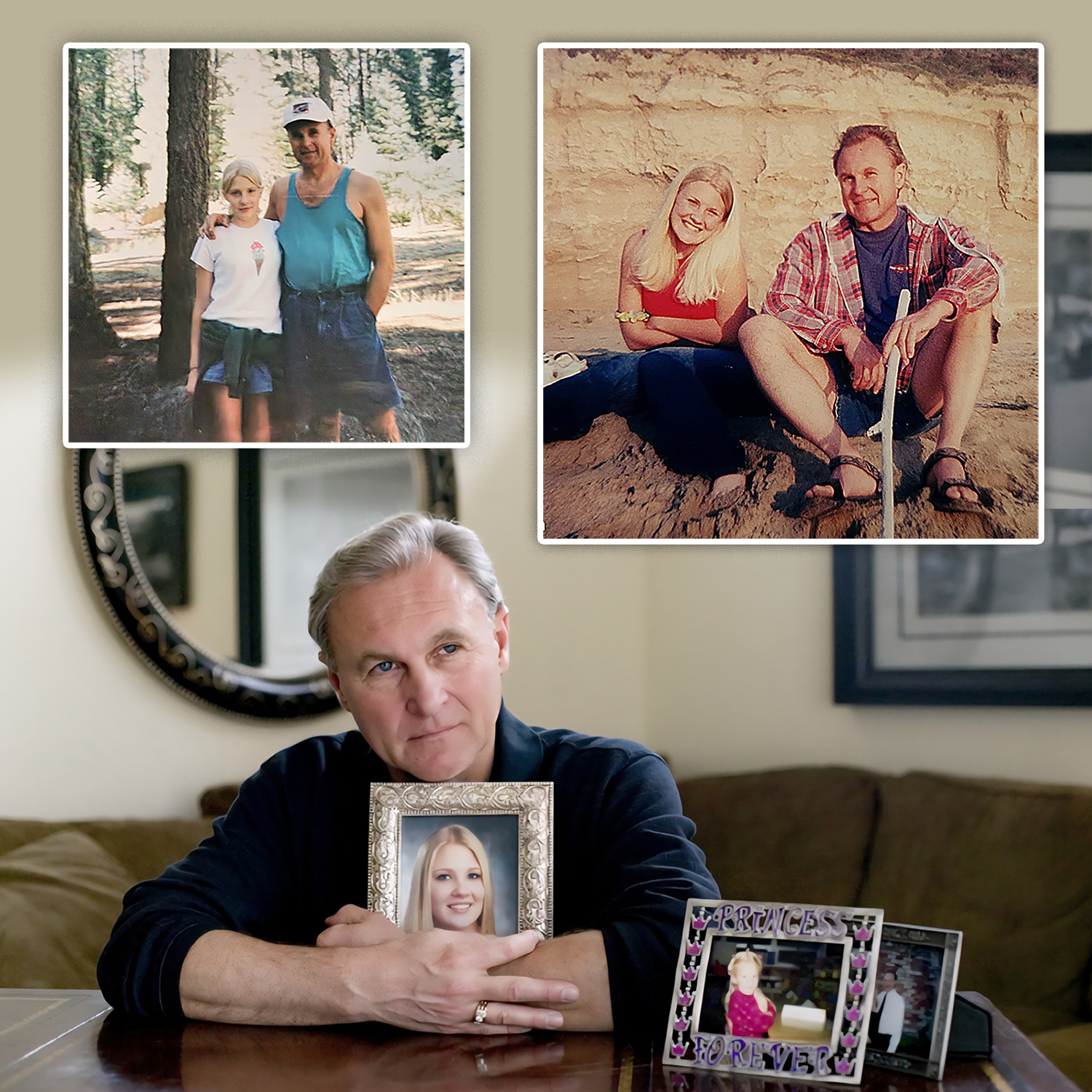 Monty Patterson pictured with his daughter, Holly. Images courtesy of Mr. Patterson.
In 2016, the Obama FDA extended mifepristone's approved use from seven weeks' to 10 weeks’ gestation, greenlit non-physicians prescribing it, and dropped the number of required in-person doctor's visits from three to just one. At the same time, the agency stopped requiring prescribers to report nonfatal complications, making it harder to assess the full consequences of those sweeping changes.
Despite the complications of the COVID-19 pandemic, mifepristone was more accessible than ever by late 2021. Caving to political pressure, the Biden FDA suspended its in-person dispensation requirement for the drug so that patients could obtain it without even confirming their pregnancy in a doctor's office.
Less than a year later, at least three women had died from chemical abortion complications: Alyona Dixon of Nevada and Georgia mothers Amber Nicole Thurman and Candi Miller.
Both Dixon and Thurman allegedly obtained their pills from abortion clinics and then finished the process at home. Miller, according to ProPublica, ordered the drugs online.
An autopsy reportedly revealed that Miller not only suffered an incomplete abortion but also had a lethal combination of painkillers—including the dangerous opioid fentanyl—in her system.
Her family did not know how she obtained the fentanyl, and she had no prior history of drug use. As she purchased the abortion drugs online in violation of state law, there is a possibility they were laced with fentanyl.
The black market for abortion drugs, bolstered by the FDA's newly relaxed standards, creates a litany of safety concerns for women seeking an easy and affordable escape from motherhood.
Aid Access, for instance, ships abortion pills to anyone in any state after completing an online form. Buyers need not prove they are female or even pregnant to obtain these drugs, and many women are now learning this the hard way.
(RELATED: Planned Parenthood Takes Another Hit for Deceiving Women About Abortion Pills)
Abusers Take Advantage
When Liana Davis of Corpus Christi, Texas, became pregnant earlier this year, the circumstances were less than ideal.
Her divorce had left her a single mother of three, and the baby's father, Marine pilot Christopher Cooprider, had no interest in parenthood. Still, Davis was determined to see the pregnancy through. She looked forward to raising her baby girl, whom she named Joy, alongside her other children.
Cooprider, however, was adamant that Davis abort their unborn child. Texts between the two—disclosed in a lawsuit Davis filed on Aug. 11—show Cooprider repeatedly tried to convince her to kill their daughter with pills he obtained online.
"I'm going to be able to get the 2 drugs needed to discontinue pregnancy. Should be able to use them 2 weeks from today," Cooprider texted Davis on Feb. 5.
"Stop right there," Davis replied.
"I'll let you know after I get them and have them," Cooprider continued.
Davis prompted him to wait so they could discuss the matter further. "Don't buy anything," she wrote.
Cooprider nonetheless plowed ahead with his pitch, assuring her the pills could be "safely taken at home and without medical supervision" or record.
Since 2022, Texas law has banned abortion in nearly all cases save those involving medical emergencies.
Despite Davis' repeated objections, Cooprider texted her on Feb. 11 to inform her that the mifepristone and misoprostol pills he ordered had arrived. The lawsuit identifies Aid Access as the provider.
After weeks of trying and failing to convince Davis to abort their "monstrosity," Cooprider allegedly took fate into his own hands. The lawsuit accuses him of lacing Davis' hot chocolate with 10 misoprostol pills and then abandoning her once she started to hemorrhage.
Thanks to a neighbor, Davis made it to the hospital in time to save her own life. Her baby did not survive.
Davis is suing Cooprider, Aid Access, and the organization's Dutch founder and director, Rebecca Gomperts, for wrongful death.
Unfortunately, her case is not unique. Another Texas woman lost her unborn child in October 2024 after her boyfriend, Justin Anthony Banta, allegedly spiked her drink with abortion pills while they were at a coffee shop. Banta faces charges of evidence tampering and capital murder.
A 2023 case in Florida had a happier ending in that the victim discovered the plot to kill her unborn baby before it was too late. According to the Hernando County Sheriff's Office, defendant Haley Ann Raborn confessed to buying an abortion pill online and soliciting her ex-boyfriend to trick the victim, his ex-fiancée, into taking it.
Meanwhile, a Louisiana mother stands accused of ordering abortion pills from a telehealth abortionist in New York earlier this year and illegally coercing her teenage daughter into taking them. The baby died and complications from the abortion landed the teenager in the hospital. The case has raised questions about the legality of shield laws such as New York's, which serve to protect telehealth abortionists who facilitate illegal abortions in other states.
(RELATED: Lifting the Curtain on FDA's Questionable Abortion Pill Approval)
The Right Thing
As the legal and safety concerns surrounding mifepristone continue to mount, so do calls for the FDA to act.
"There have been drugs pulled off the market for much fewer side effects than what Mifeprex has," Dr. Donna Harrison, board chair for the Alliance of Hippocratic Medicine, told Restoration News.
Harrison and leaders from five other medical organizations penned a letter to Kennedy and Makary, urging the immediate reinstatement of the FDA's former mifepristone restrictions.
"We want the FDA to be aware that we are watching, and we want them to do the right thing when it comes to Mifeprex," she said.
The "right thing," according to Harrison and her colleagues, includes requiring chemical abortion patients to get an ultrasound to date their pregnancy and rule out a possible ectopic pregnancy. It would also involve an FDA review of real-world data to assess mifepristone's safety.
While Makary has confirmed a safety review is underway, he has shared few details about the process and its progress. If he should choose not to act, however, there are other tools available to help protect women.
Federal law already prohibits the mailing of abortion drugs and other materials meant for producing an abortion or inciting other "indecent or immoral" acts. The Biden administration chose not to enforce that law, known as the Comstock Act, in cases where the drugs are for legal abortions, though the Trump Justice Department could scrap that rule and invoke the law as written at any time.
Lawmakers could also pass new legislation to restore the FDA's former safeguards for mifepristone. Sen. Josh Hawley (R-MO) introduced a bill in May to that effect.
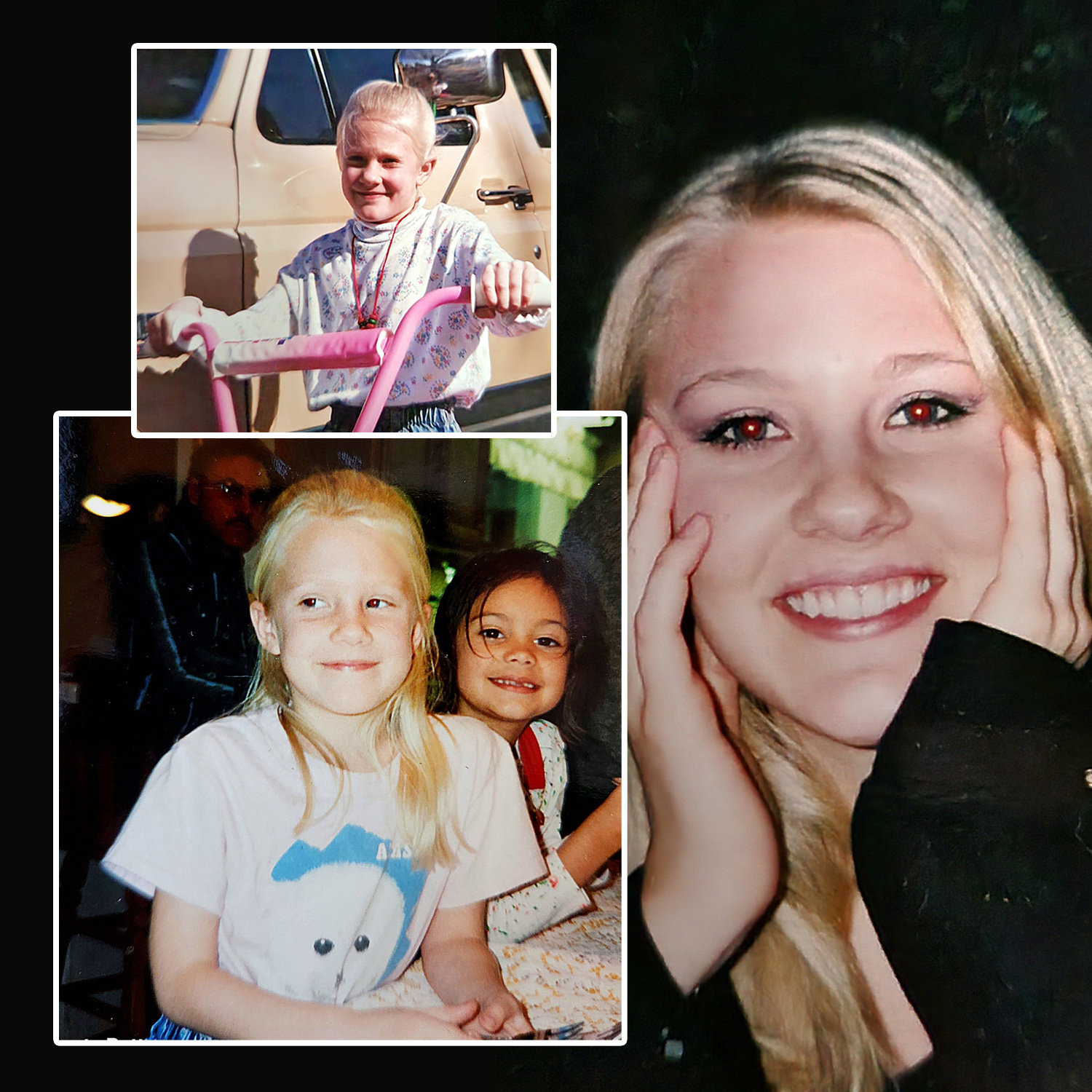
 Holly Patterson graduating from high school. Images courtesy of Mr. Patterson.
Meanwhile, additional legislation cracking down on shield laws could prevent abusers from wielding abortion drugs as murder weapons. Sixteen state attorneys general have already called upon Congress to consider taking action.
Monty Patterson, who has spent decades calling for change, said he remains unconvinced that anything beneficial will come from the FDA's review. Still, he stressed the need to keep fighting.
"If you don't keep pushing back, and if you don't keep talking about it, if you don't have a mission to try to create change or rethink something, then you won't get it. It'll be the status quo," he said.
That's why he continues to share his daughter's story—in the hopes that her death won't be just another statistic but an inflection point that turns the tide in favor of women's health.
"You can get knocked down, but it's all about getting back up and keep moving forward," he said.
(READ MORE: Is the Comstock Act the Way to Ban the Abortion Pill?)
Help us expose the truth—chip in today
Restoration News, a project of Restoration of America, is your trusted investigative news source for the America First movement. As a rapidly growing conservative news site, we focus on delivering accurate and insightful exposés on political news, immigration news, leftist lies, and other pressing issues affecting everyday Americans. Our uncompromising commitment to a hard-hitting, fact-based, America First, and faithful perspective ensures that you receive news that aligns with your values.
Every dollar gets us closer to restoring America to greatness.