Dark Woke, Occupy 2.0, and the Weaponization of Online Outrage
Soviet-era psyops are being used to target our broken young people.
Show me the rage, and I’ll show you the algorithm.” That could be the unofficial motto of America’s online culture war. And it isn’t just the Left weaponizing it.
We’re living through an era when grievance is currency, and outrage is a commodity sold to the highest bidder—or the most viral post. Political identity is now forged not by conviction but by anger. Large social media accounts are being bought by the highest bidder, and act as conduits for outrage, creating an endless stream of agitprop which reaps tremendous benefits in engagement as eyeballs soak up curated, headline-level sensationalism.
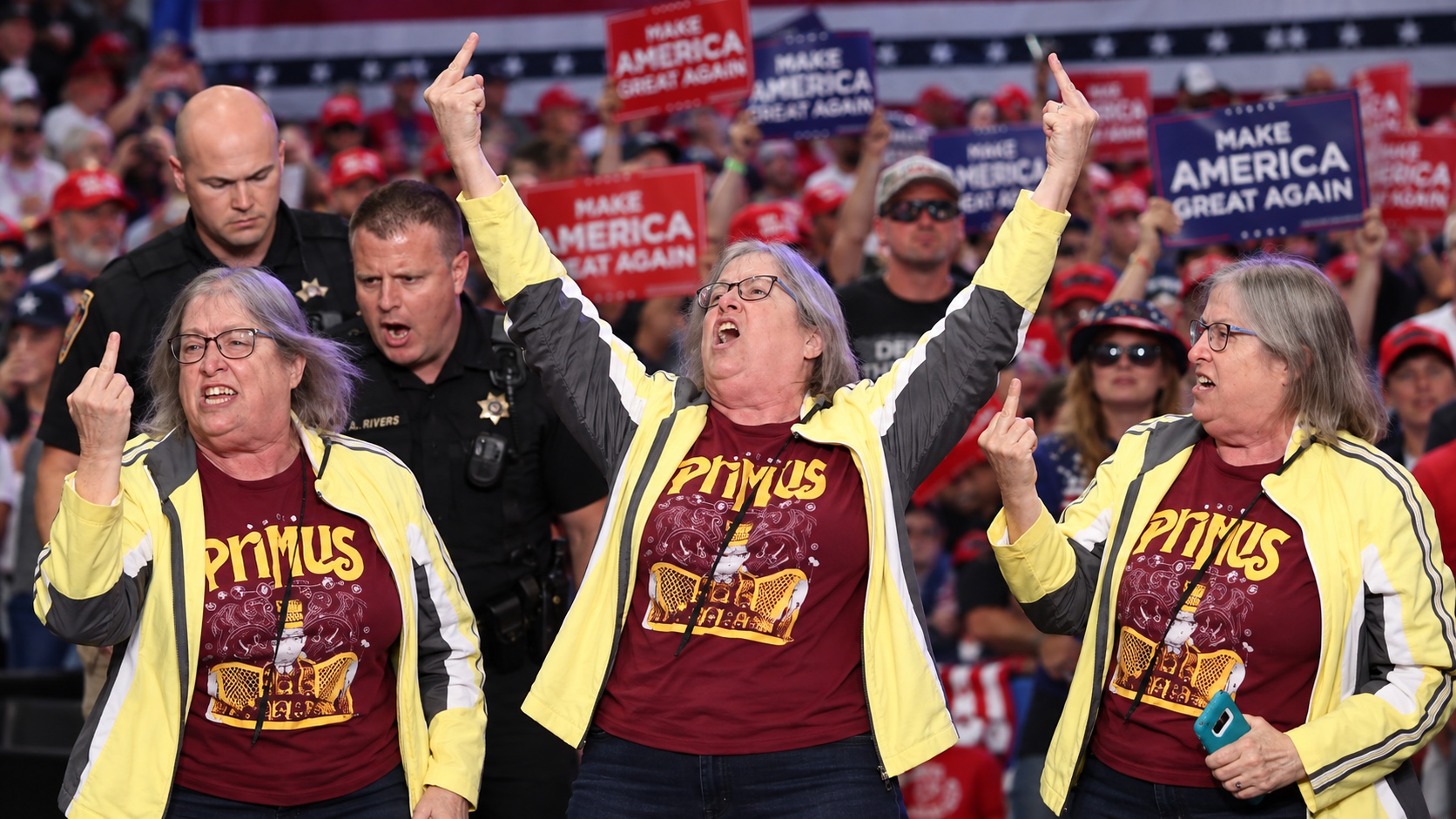
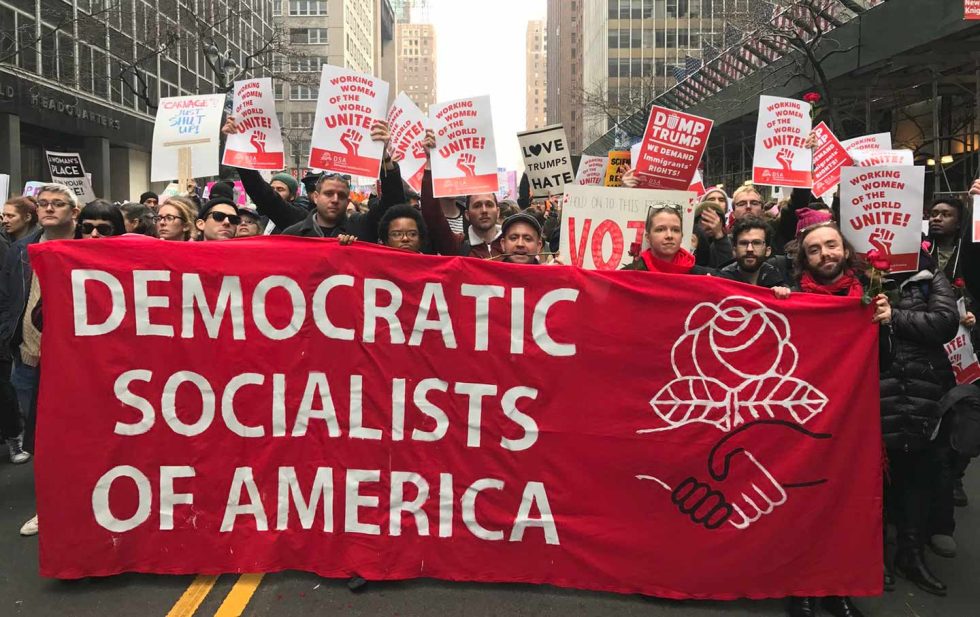
The Left has evolved from the top-down organizers of Occupy Wall Street to what might be called Occupy 2.0—decentralized, meme-driven, rage-optimized digital activism. This new operating system doesn’t rely on charismatic leaders or coherent goals. It runs on dopamine, algorithmic amplification, and raw emotional spectacle. But don’t be fooled, the same tactics are being employed on the Right to villainize MAGA.
And now, it has a name: “Dark Woke.”
It’s increasingly difficult to resist. Social media is, by design, addictive requiring increasing levels of salaciousness to hold mercurial attention spans, ever more adumbrated by an unending consumption of the clipped, quick, and vapid. Nuance and complexity are the arch enemies of the clickbait deities.
In the digital age, the battlefield isn’t just fought with ballots or bullets—it’s fought with followers. Social media influencers, once dismissed as pop-culture fluff, are now paid mercenaries in narrative warfare. The danger lies not just in the message, but in the illusion that it’s organic, grassroots, and authentic. Three recent examples prove the point.
The Department of Justice recently revealed how Russia’s state-controlled outlet, Russia Today (RT), funneled millions through a Tennessee shell company called Tenet Media. The goal was simple: Bankroll U.S. influencers to smuggle Kremlin talking points into the bloodstream of American politics. These influencers—some with massive followings on YouTube, X, and Rumble—railed against U.S. aid to Ukraine, wrapped themselves in the “America First” banner, and questioned the legitimacy of our elections.
RT even managed to recruit an FBI whistleblower, the newly reinstated Steve Friend, who made an appearance castigating the FBI. Despite whatever his intentions may have been, this rhetoric became invaluable propaganda for Russia’s continued campaign to undermine U.S. counterintelligence capabilities.
To their audiences, it looked like uncompromising patriotism. In truth, it was Kremlin copywriting dressed up as grassroots content. Conservatives should take note: There are legitimate reasons to question endless, open-ended aid to Ukraine—chief among them the lack of accountability for taxpayer dollars, the strain on America’s own defense needs, and the lack of an articulated, clear endgame. But those arguments must be made on principle, not borrowed from Moscow’s playbook or from a RINO psyop.
Rooted in the Cold War
None of this is new. During the Cold War, the Soviet Union covertly bankrolled U.S. “peace movements” and cultural groups to undermine American resolve in Vietnam and Europe. Just as RT rented out influencers to further enmesh U.S. involvement in Ukraine, the KGB rented out “activists” to weaken support for NATO. The medium has changed, but the strategy is identical: Weaponize sympathetic voices inside America to destabilize America from within.
Even the entertainment world isn’t immune. Blake Lively’s lawsuit revealed how a PR firm orchestrated “astroturfing”—fake grassroots campaigns masquerading as authentic fan outrage. Paid networks of large accounts seeded reputational smears that were then amplified by swarms of smaller profiles. The tactic is chilling because it manufactures the illusion of public sentiment where none exists.
Again, history rhymes. In the 1940s, the Office of Strategic Services (OSS)—the forerunner to the CIA—recruited Hollywood studios to produce films that glorified the war effort and demonized fascism. It was honest in its aim, but it demonstrated the same principle: Narratives can be engineered at scale when cultural influencers are co-opted. Today’s campaigns are just the privatized, unscrupulous version of that playbook.
Closer to home, TikTok/OnlyFans creator Farha Khalidi admitted she was paid by a media company to boost Biden administration talking points—such as celebrating Judge Ketanji Brown Jackson’s nomination—without labeling the content as sponsored. In any other medium, it would be treated as a paid political ad. On TikTok, it was slipped into the stream as if it were just a personal opinion.
Whether it’s Moscow’s RT, Hollywood power brokers, or a White House comms team, the strategy is the same: rent trusted voices, cloak propaganda in authenticity, and cash in on credibility.
America can’t afford to let truth become just another sponsored product. If foreign adversaries, PR firms, and political operatives can all buy influencers to whisper propaganda into millions of phones, then transparency is no longer optional—it’s survival. Congress should require full disclosure when influencers are paid to promote political or government-backed content, just as television ads are regulated. Law enforcement must treat covert foreign payments as the national security threat they are.
When citizens can’t tell where the narrative begins—whether it’s Moscow, Madison Avenue, or Pennsylvania Avenue—self-government erodes. If truth is for sale, liberty soon follows.
Unlike its pastel-hued predecessor—the kind of wokeness that wore rainbow pins and preached safe spaces—Dark Woke is bolder, angrier, and far more nihilistic. It rejects conversation in favor of confrontation. It cloaks itself in victimhood but lashes out like a predator. It’s Che Guevara in a TikTok filter, where activism is performance and revolution is just another content strategy.
The tools are digital, but the impact is very real.
Think of the anti-Israel mobs that descended on airports and freeways last spring. Think of Molotov cocktails thrown at Jewish students in Colorado. Or the masked pro-Palestinian agitators who crashed congressional offices and media studios. These weren’t spontaneous eruptions. They were coordinated flash actions born in encrypted chats and radical Telegram feeds, made possible by a social media environment that rewards volatility and silences dissent.
(MORE COMMENTARY: Are Republicans Ready for the Political Backlash to the AI Revolution?)